How to Repair a Loud Garage Door in Los Angeles
A loud garage door is more than an annoyance. A sharp grinding noise, repeated rattling, or sharp popping sound can indicate aging components, loose hardware, a damaged track, or a spring under dangerous tension. Early garage door repair can often keep a minor issue from becoming a complete failure that leaves your car trapped inside or exposes your home to potential danger.
Many Los Angeles homes have attached garages and older housing stock. That makes inspection of aging rollers, springs, openers, and panels especially important. Whether you live in the San Fernando Valley, West Los Angeles, Long Beach, or a nearby South Bay community, pinpointing the sound can help you decide whether a simple adjustment is appropriate or whether you need a qualified garage door technician.
EM Garage Doors And Gate Service Inc19629 Cantara St, Reseda, CA 91335
(818) 919-0785
https://emgaragedoorsandgateservice.com/
https://maps.app.goo.gl/XujLWxA4pAQKARQT8
34.2193569, -118.5613022
Why Is My Garage Door So Loud?
An overhead garage door moves through several connected systems. Garage door rollers travel inside garage door tracks, garage door hinges allow the sections to bend as the door rises, and the opener supplies the force needed to open and close the door. Noise can occur when any of these parts are covered with debris, worn, misaligned, or loose.
Worn rollers are one of the most common causes of a loud garage door. Steel rollers may squeak or rattle as their bearings wear down, while damaged nylon rollers can create jerky travel. Garage door hinges may also become noisy when screws loosen or when the hinge leaves bend. A garage door tracks problem, such as a bent track or accumulated debris, can produce grinding, vibration, and uneven travel.
Listen to when the noise occurs. Sound during the entire movement may point to rollers, hinges, or the opener. Noise in one specific area may suggest a track obstruction or damaged hardware. A door that shakes, pauses, or appears crooked should not be forced because continued operation can aggravate the damage.
Common Reasons of Noisy Garage Door Operation
Garage door springs counterbalance the weight of the door. A torsion spring is mounted above the door and retains substantial energy as it twists. If the spring is rusty, stretched, cracked, or incorrectly adjusted, the door may slam, strain the garage door opener, or make a loud popping sound.
The garage door opener can also be the cause. Chain drive openers commonly create more mechanical sound than belt drive systems, particularly if the chain is loose or the motor is aging. An opener that makes a humming noise, vibrates, or struggles may need adjustment, replacement parts, or a professional diagnosis rather than additional lubricant.
Loose hardware is another typical cause. Loose bolts on hinges, brackets, tracks, or the opener mounting may allow metal parts to rattle against one another. Although tightening accessible fasteners can sometimes reduce noise, never adjust spring hardware, cable drums, bottom brackets, or other components connected to a loaded spring.
Grinding, Creaking, Shaking, and Popping Sounds
A grinding noise often points to worn garage door rollers, a bent track, damaged bearings, or metal rubbing against metal. Stop using the door if grinding is paired with jerky movement or visible track damage. A garage door technician can evaluate alignment and determine whether the affected component needs repair or replacement.
A squeaking noise usually results from dry hinges, rollers, bearings, or springs. Some squeaks improve after proper garage door lubrication, but lubricant will not repair a cracked roller, worn bearing, or distorted hinge. Use a silicone-based lubricant intended for garage doors rather than a thick product that collects dust.
A rattling noise commonly suggests loose bolts, a loose chain, vibrating opener hardware, or a panel that has begun to separate. Inspect from a protected distance while the door operates, but do not place your hands near moving sections, rollers, cables, or hinges.
A popping sound deserves particular caution. It may occur when a garage door spring releases tension, a cable shifts, or a section flexes under load. A single pop may also come from a dry spring coil, but repeated popping, a visibly separated spring, or a door that suddenly feels heavy can indicate a broken garage door spring. Do not attempt to take out or adjust it yourself.
Careful DIY Checks Before Scheduling Garage door repair
A few basic checks are appropriate if the door is closed, steady, and operating properly enough to inspect safely. First, look inside the garage for debris, stones, dust, or other obstructions in the tracks. Los Angeles dust and dry conditions can collect in garage door tracks and rollers, increasing resistance and operating noise.
For garage door lubrication, disconnect power to the opener and follow the manufacturer’s instructions. Apply a small amount of silicone-based lubricant to hinges, roller bearings, springs, and other designated moving parts. Do not lubricate the track surface itself, because a slippery track can interfere with roller movement and collect debris. Never spray lubricant on safety sensors or electrical components.
Check that the safety sensors are facing each other and mounted at the same height. Wipe their lenses with a soft, dry cloth. Misaligned safety sensors usually cause the door to reverse rather than make noise, but correcting them can help prevent unnecessary opener strain.
You can also inspect the manual release cord, sometimes called the emergency release cord. Do not pull it while the door is open unless you can safely support the full door weight. If the cord is pulled with a failed spring or damaged cable, the door may fall. The manual release should move freely and reconnect the opener correctly after a safe test.
Garage door balance is a more important diagnostic check. With professional guidance and the door fully closed, a homeowner may disconnect the opener and carefully observe whether the door is excessively heavy or rises unevenly. If the door will not stay near the halfway position, stop testing and schedule garage door service. Poor balance usually requires spring adjustment or replacement, which is not a safe DIY task.
When to Call a Garage Door Repair Professional
Contact a garage door expert when you notice a broken cable, a gap in a spring, a bent track, a door that has fallen off its tracks, or a panel that is badly damaged. You should also schedule assistance if the door is unusually heavy, opens unevenly, reverses unexpectedly, or makes a sharp popping sound under load.
People searching for “garage door spring replacement near me” should confirm that the provider has experience with the specific spring system and door weight. A broken garage door spring can make the door unsafe to operate and can damage the opener if someone repeatedly tries to lift it. Keep away children and vehicles away from a damaged door until it has been inspected.
Urgent garage door repair may be appropriate when the door is stuck open, has collapsed, blocks a vehicle, or creates an immediate security or safety problem. A reputable garage door professional should explain the failed component, identify immediate hazards, and provide a repair estimate before beginning non-emergency work.
Garage Door Repair Costs and Rates in Los Angeles
The garage door repair cost in Los Angeles varies with the diagnosis, door size, part availability, access, and whether service is needed after normal business hours. Garage door repair pricing may include a service call fee, labor, replacement parts, disposal, and extra service required to correct related damage.
Find out whether the service call fee is applied toward the repair. Ask for an itemized repair estimate that separates labor from parts and explains whether the recommendation is repair, replacement, or temporary securing. Emergency repair, weekends, holidays, and difficult access may add to the total price.
The garage door spring cost depends on the spring type, door weight, number of springs, and labor involved. A reliable company should not quote a final price based only on a vague description of the noise. An inspection is necessary to identify the spring, cable, bearing, and balance condition.
Garage Door Spring, Roller, Opener, and Panel Costs
Garage door spring replacement is often more economical than replacing the entire door when the panels and tracks remain structurally sound. However, spring work should be performed by a trained professional because torsion springs and extension springs store dangerous energy.
Replacing worn rollers can significantly lower noise, especially when old steel rollers are causing grinding or squeaking. The technician may also inspect hinges, brackets, bearings, and track alignment at the same time. Replacing only one visibly damaged roller may be suitable in some cases, while a complete set can provide more consistent operation when all rollers are aging.
The garage door opener installation cost is determined by the motor type, lifting capacity, rail configuration, electrical work, and accessories. A belt drive may be a good choice for an attached garage near living areas because it generally operates more quietly than a chain drive. Smart controls, battery backup, and new safety features can add to the installation cost.
A damaged garage-door panel may be exchanged if the manufacturer still produces a matching section. Color, insulation, window design, and age can determine whether an exact match is available. If several sections are damaged or the door is severely warped, compare the panel price and labor with the garage door replacement cost before deciding.
How Much Does Garage Door Repair Cost for a Two-Car Garage?
Homeowners often ask about 2 car garage door replacement cost or the two car garage door replacement cost because double-wide doors are heavier and larger than single doors. Total pricing depends on the material, insulation level, window configuration, hardware, opener compatibility, and installation requirements. A repair may cost substantially less than replacement when the problem is limited to rollers, hinges, springs, or an opener.
An insulated garage door may be beneficial for attached garages, workshops, and rooms located next to or above the garage. Insulation can improve comfort and lessen some vibration, although it will not correct a bent track or worn spring. A custom garage door can provide a particular architectural style, wood appearance, specialty windows, or unusual dimensions, but custom manufacturing generally adds to the project price.
Before approving replacement, ask whether the existing tracks, opener, and framing can be used again. Also compare the garage door replacement cost with the age and condition of the current door. A professional should describe the practical differences rather than promote the most expensive option.
Why Los Angeles Climate Factors Impact a Rattling Garage Door
The Los Angeles climate leaves garage doors to dry air, warmth, dust, and changing seasonal temperatures. Los Angeles dust and debris can gather around rollers and tracks, adding to friction and creating a noisy garage door. Seasonal temperature changes can also impact metal components, seals, and the tension balance of the system.
Coastal areas around Long Beach, Santa Monica, and the South Bay may experience more corrosion on exposed metal hardware because of marine air carrying salt. Coastal corrosion can affect springs, cables, hinges, brackets, and fasteners. Rust does not automatically mean a door must be replaced, but badly corroded load-bearing parts require prompt inspection.
In the San Fernando Valley, heat and airborne dust can speed up drying and buildup around moving components. In West Los Angeles and neighborhoods closer to the coast, moisture and marine air may make corrosion more significant. A local garage door service provider should evaluate these conditions when selecting replacement parts and preventive maintenance.
How to Choose Garage Door Repair Near Me in Los Angeles
When looking for garage door repair near me, look for a local company that openly states its service area, qualifications, and scope of work. A licensed contractor should be willing to explain insurance, relevant experience, and the manufacturer or door type involved. Verify that the provider serves your neighborhood, whether you are in the San Fernando Valley, West Los Angeles, Long Beach, or a South Bay community.
Get a written estimate before approving substantial work. It should include the diagnosis, replacement parts, labor, service call fee, taxes if applicable, and any conditions that could increase the price. Inquire whether the estimate covers balancing, safety testing, and removal of old parts.
Be sure to ask about the warranty on both labor and replacement parts. A warranty is not a substitute for quality work, but clear terms show that the company stands behind its garage door service. Watch out for providers who insist on immediate full replacement without explaining whether a repair is practical or who propose unsafe temporary fixes.
Avoiding Later Garage Door Noise
Routine maintenance makes it easier to find problems prior to they become loud or dangerous. Maintain the garage area dry and uncluttered, remove dust and debris from accessible surfaces, and observe the door’s movement every few weeks. Unusual vibration, hesitation, or a change in sound should lead to an inspection rather than repeated operation.
Schedule a roller inspection when rollers begin making squeaking sounds, wobbling, or showing flat spots. During the same visit, a technician can inspect garage door hinges, brackets, cables, springs, opener mounting, and fasteners. Track cleaning should remove debris without bending or repositioning the track. Never hammer a track back into place while the door is loaded.
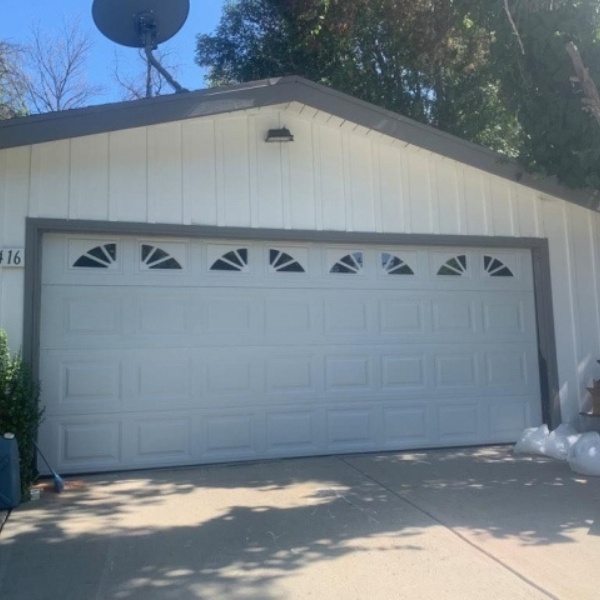
Treat moving parts according to the manufacturer’s recommendations, using a silicone-based lubricant and avoiding the track surface. Test the safety sensors and the auto-reverse function regularly, keeping hands and objects clear of the door. An annual safety inspection is especially valuable for older doors, attached garages, and homes near coastal air.
Preventive maintenance does not eliminate every failure, but it can extend component life and make garage door repair decisions easier. A technician can record wear in advance, recommend replacement parts before a breakdown, and confirm that the door remains balanced and secure.
Frequently Asked Questions
Why is my garage door noisy when opening or closing?
A loud garage door may have worn rollers, dry hinges, loose bolts, a bent track, a loose opener chain, or a failing spring. Grinding often indicates metal contact or damaged rollers, while squeaking may come from dry moving parts. Rattling commonly points to loose hardware, and popping can indicate spring or cable problems. Stop using the door and request an inspection if it shakes, becomes heavy, or moves unevenly.
How much does garage door repair cost in Los Angeles?
Garage door repair cost varies with the failed part, labor, door size, urgency, and service call fee. Roller, hinge, opener, spring, and panel work each have different pricing. Emergency service and coastal corrosion-related complications may increase the total. Request written garage door repair pricing and an itemized repair estimate before work begins.
Can I lubricate a squeaky garage door on my own?
In most cases, homeowners can usually handle basic garage door lubrication if the door is steady and no spring, cable, or track damage is present. Detach the opener, use a silicone-based lubricant on approved moving parts, and keep lubricant off the track surface and safety sensors. Avoid adjusting springs, cables, bottom brackets, or other components under tension.
When is it time to replace garage door rollers or springs?
Change rollers when they are cracked, wobbling, grinding, seized, or visibly worn. Springs should be replaced when broken, severely corroded, stretched, or unable to maintain garage door balance. Spring replacement is hazardous and should be handled by a qualified garage door technician. If several major components are aging, weigh repair against garage door replacement.
Is it safer to repair or replace an older overhead garage door?
Repair https://bestofgarageca1-101-101-10.publishlane.com/posts/what-is-the-cost-of-garage-door-repair-cost-for-a-broken-spring is usually reasonable when the door sections, framing, tracks, and opener remain sound and the problem is limited to springs, rollers, hinges, or hardware. Replacement may be more secure and more economical when the door has extensive corrosion, repeated failures, warped panels, obsolete safety equipment, or structural damage. A professional inspection can weigh repair needs against garage door replacement cost and identify the safest option.